 Image 1 of 1
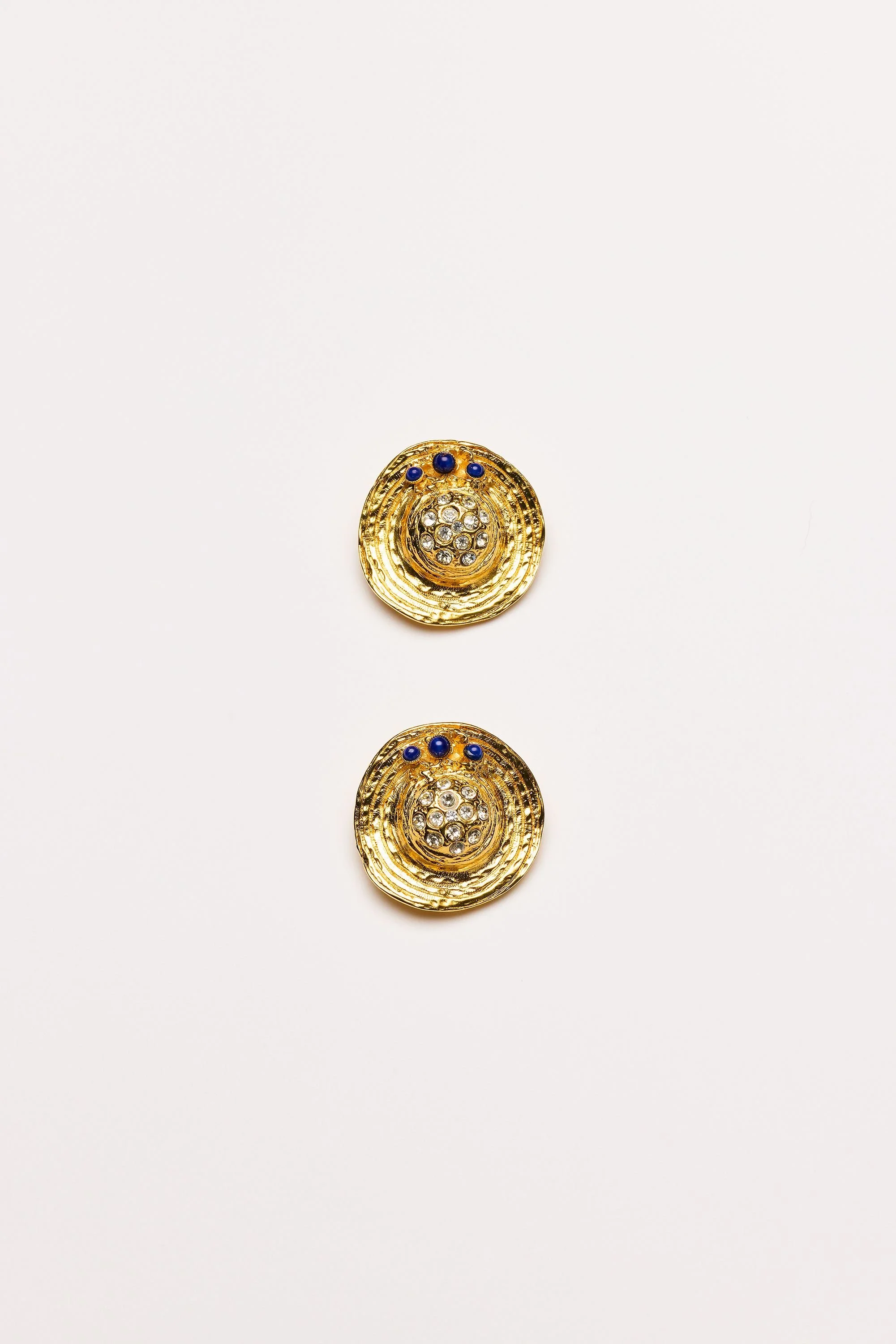
Lanvin
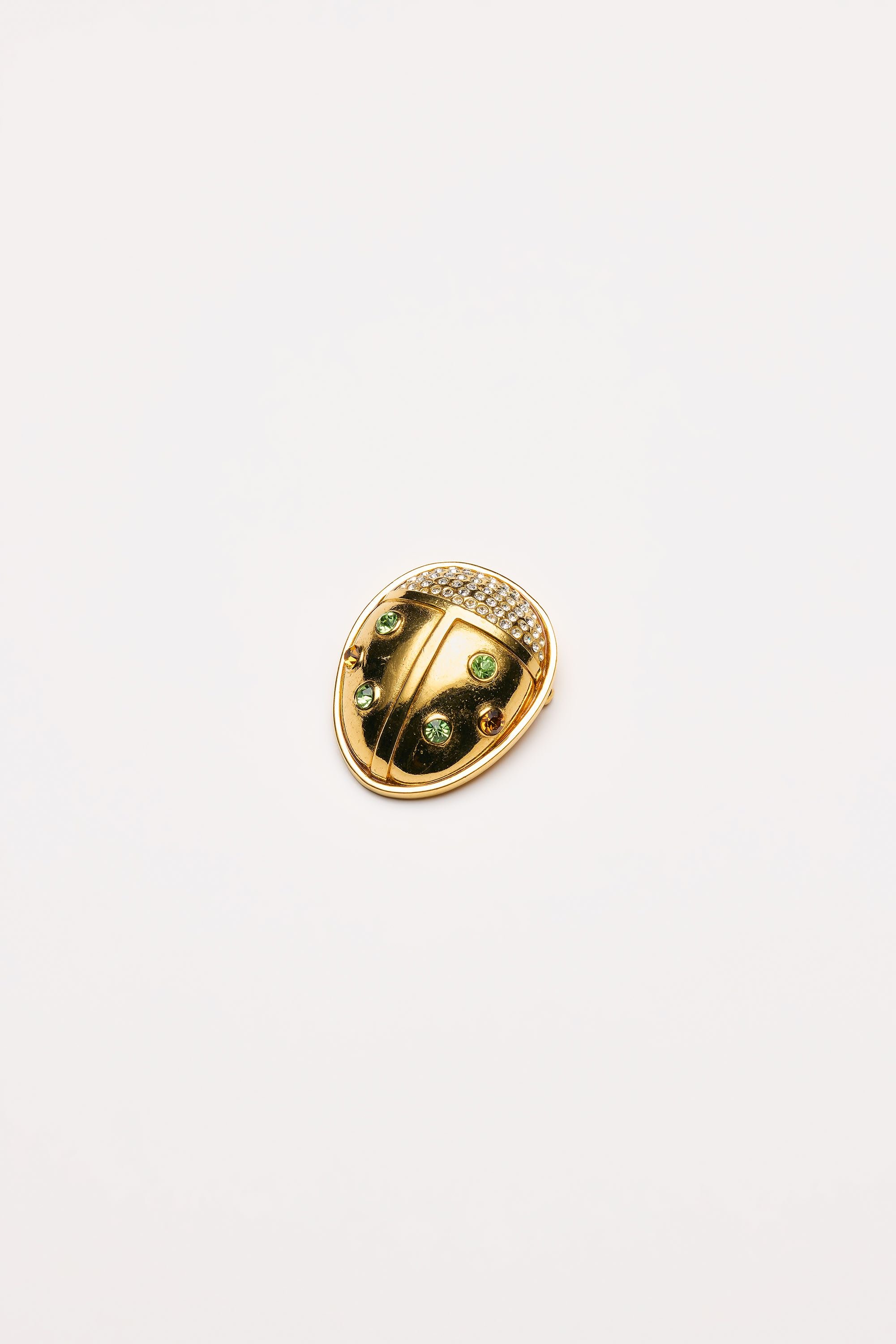
Lucky beetle brooch, gold-plated metal, coloured rhinestones
Paris, circa 1980
signed LANVIN
Lanvin Fashion House, which is the oldest fashion house still in operation, originated as a small hat shop. Founded in Paris in 1889 by 22-year-old milliner Jeanne Lanvin, her small business sooned turned into one of France’s premier couture houses with her skillful evocation of classic femininity. In the beginning stages, it was Lanvin alone, and with the birth of her daughter, the business saw new heights.
Marguerite, Jeanne’s daughter, was the object of Jeanne's creative inspiration. The logo of Lanvin was actually inspired by a photo taken for Jeanne and her daughter as they attended a ball in matching outfits. The dedicated mother would use luxurious fabrics to design her daughter the wardrobe of every little girl’s dreams. The elegant style of Marguerite was quickly noticed by other wealthy mothers, who wanted the same for their daughters, and later became customers of the Lanvin fashion house. This unexpected development caught the eye of the savvy business woman, and in 1908 she opened up and dedicated a whole section of her store for children’s clothing.
In 1909, Lanvin became a part of the Syndicat de la Couture, formalizing her status as a couturière, and expanding the company’s influence. In 1923, the Lanvin House acquired a dye factory in Nanterre. In the 1920s, Lanvin established shops devoted to not only clothes of high fashion, but also home decor, menswear, furs and lingerie. A rather notable expansion of Lanvin’s at the time would be the creation of Lanvin Parfums SA, created in 1924. Later the brand would introduce their signature fragrance, Arpège, in 1927, named so after the musical sense the smell was said to invoke. The perfume is also said to have been inspired by the sound of Lanvin’s daughter practicing her scales on the piano (Marguerite later became an opera singer).
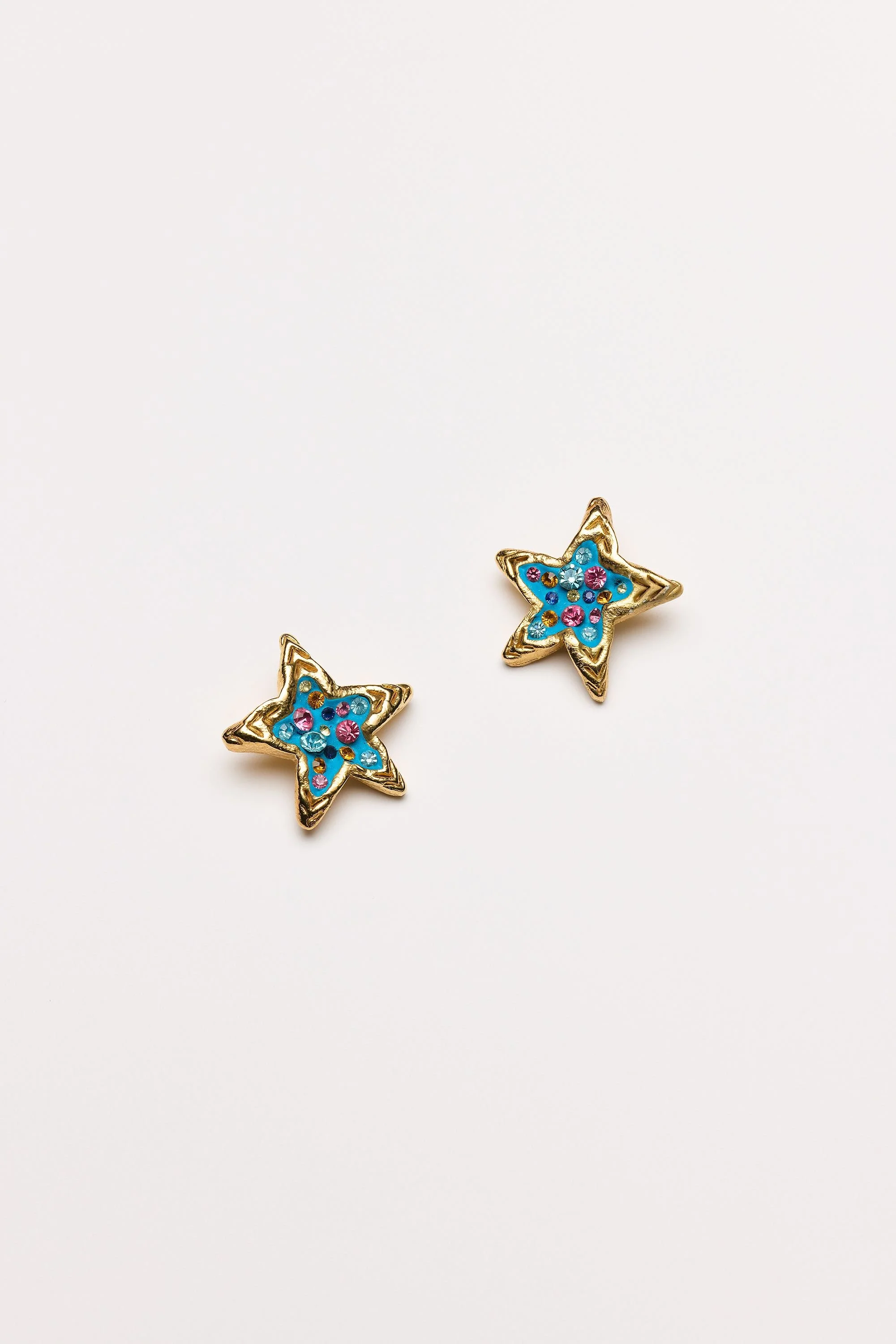
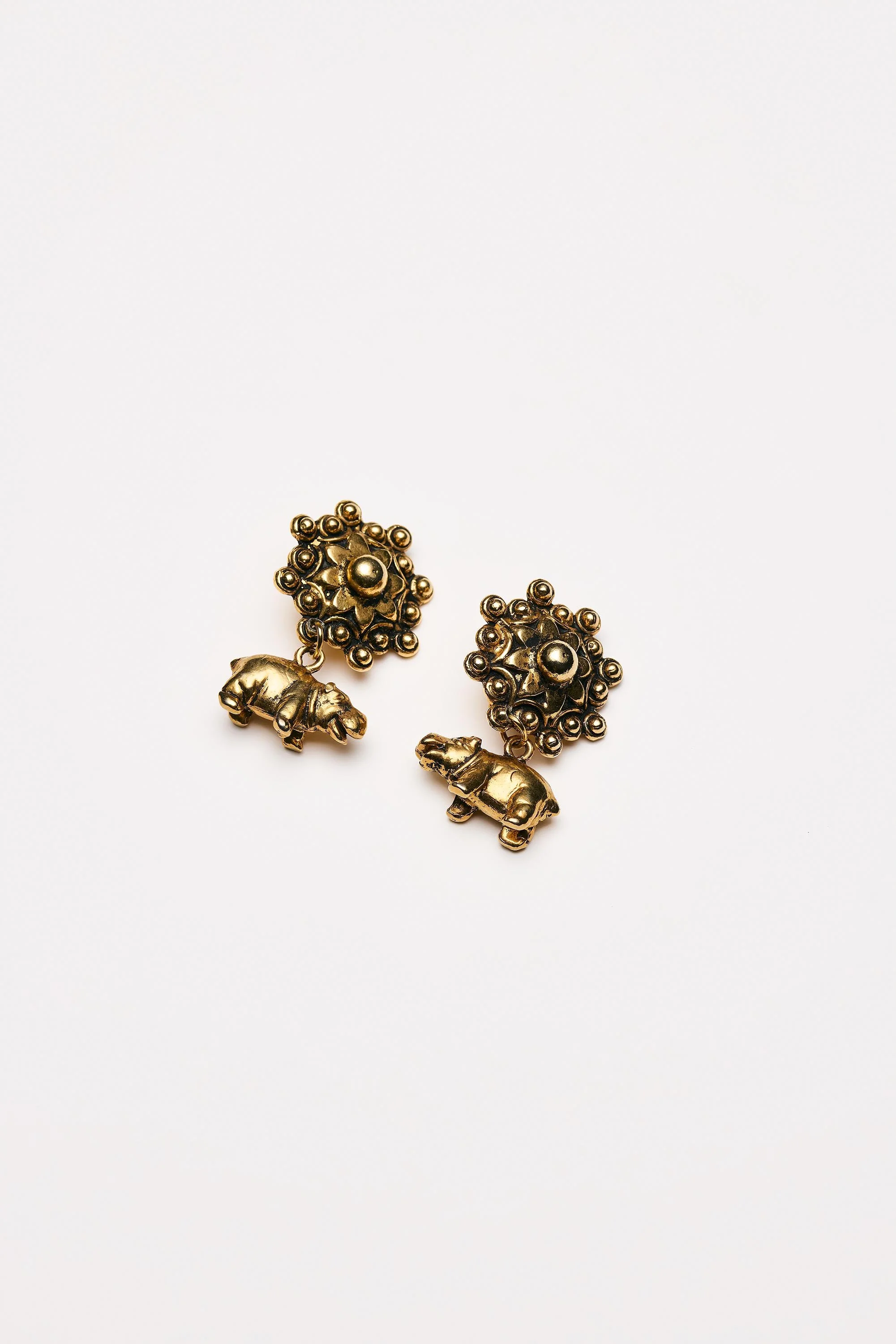
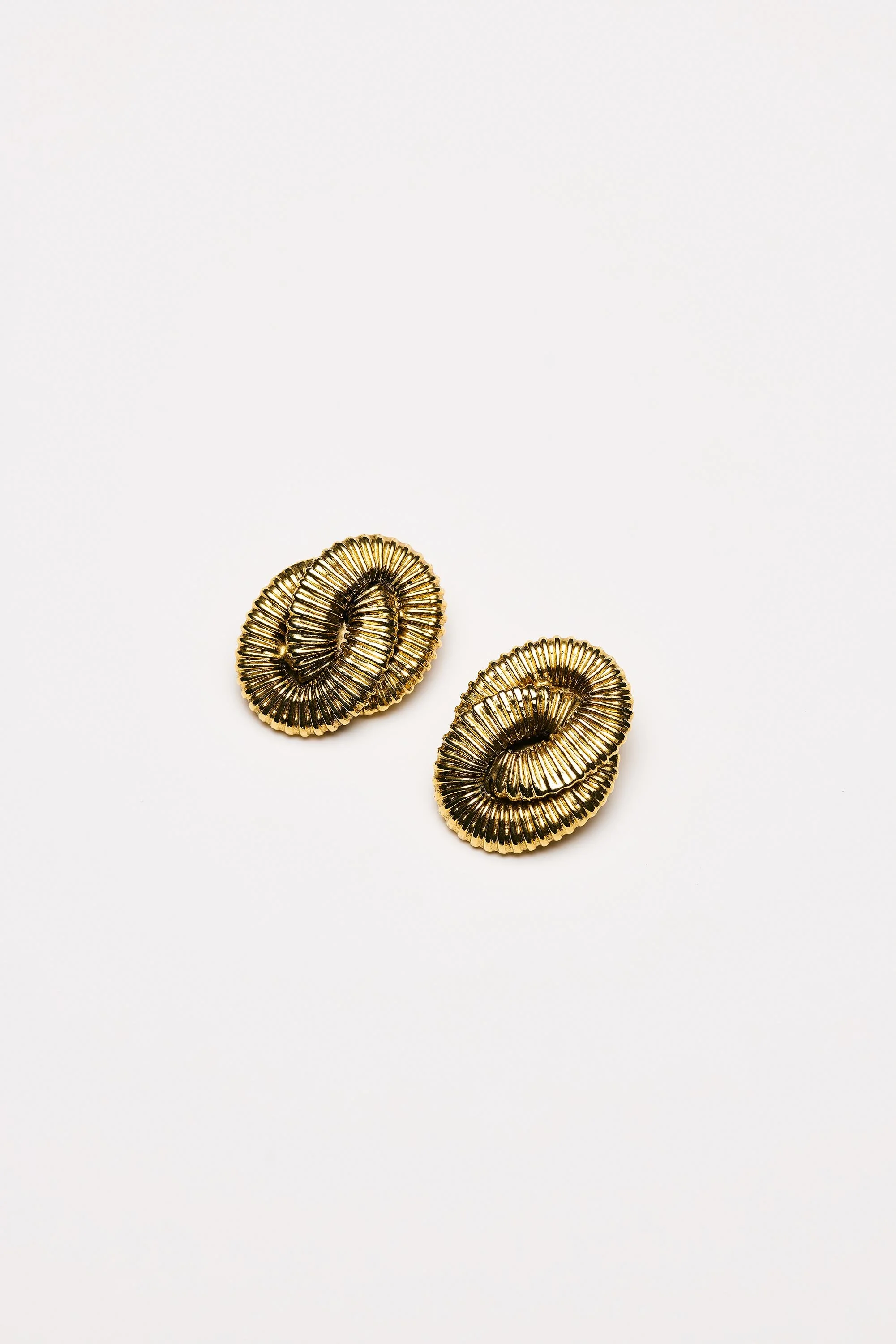
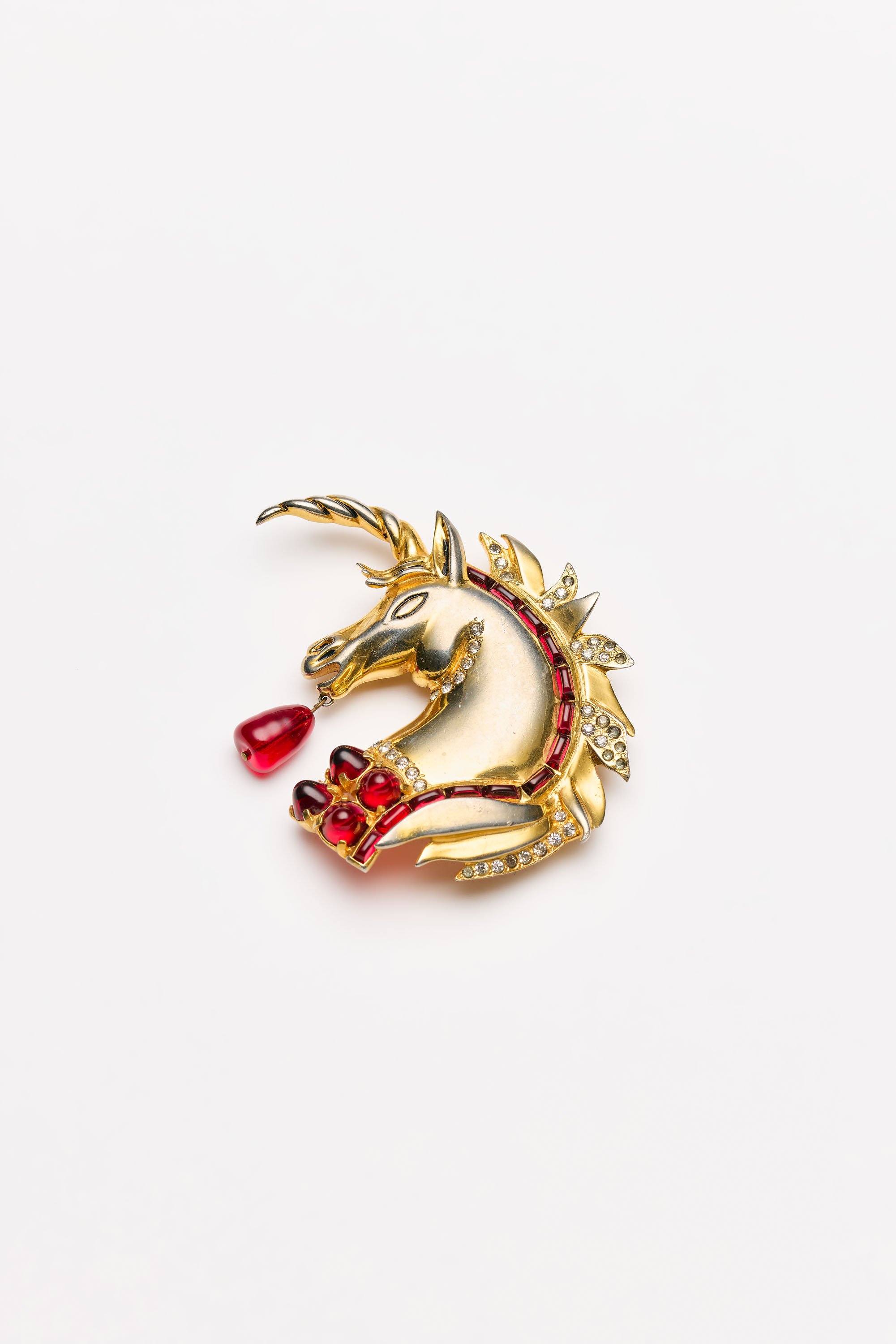
Lanvin’s focus on quality and style doesn’t only pertain to their furniture, fashion, and fragrance departments, but to their jewelry as well.
About Vintage Costume Jewelry:
Costume jewelry– also known as Fashion Jewelry– was especially made popular in the mid-20th century. While their materials were less precious than real gold and diamonds, using glass stones, semi-precicious stones and lead and brass, many big fashion houses and designers produced highly complex pieces of jewelry that stand for craftmanship that today can only be found in so-called Haute Joaillerie. Most famously, Coco Chanel popularized the use of “faux jewelry”, bringing costume jewelry to life with gold and faux pearls. Chanel's designs drew from various historical styles, including Byzantine and Renaissance influences, often featuring crosses and intricate metalwork. Her collaboration with glassmakers, such as the Gripoix family (Maison Gripoix), introduced richly colored glass beads and simulated gemstones, which added depth to her creations without the high cost of traditional precious stones.
Elsa Schiaparelli– Chanel’s lifelong rival– brought surrealist influences into costume jewelry design, famously collaborating with Salvador Dalí and Jean Cocteau. She created the House of Schiaparelli in Paris in 1927, celebrating Surrealism and eccentric fashions. Her collections were famous for unconventional and artistic themes like the human body, insects, or trompe-l'œil, and for the use of bright colors like her "shocking pink". While Schiaparelli had to close her avant-garde business in the late 1950s and was forgotten for decades, her designs have recently been rediscovered and are celebrated for their bold design.
In many instances, high-end custome jewelry has achieved a "collectible" status and increased value over time. Today, there is a substantial secondary market for vintage fashion jewelry. The main collecting market is for 'signed pieces', which have the maker's mark, usually stamped on the reverse. Amongst the most sought after are Miriam Haskell, Sherman, Coro, Butler and Wilson, Crown Trifari, and Sphinx.
The term signed however is an invention that only reached European production in the late 1950s- when American buyers started to ask for authentification to distinguish high class designers from mass-produced pieces, while in Europe all costume jewelry had been issued by the fashion houses themselves and hence remained somewhat exclusive from the start.
Lanvin
Lucky beetle brooch, gold-plated metal, coloured rhinestones
Paris, circa 1980
signed LANVIN
Lanvin Fashion House, which is the oldest fashion house still in operation, originated as a small hat shop. Founded in Paris in 1889 by 22-year-old milliner Jeanne Lanvin, her small business sooned turned into one of France’s premier couture houses with her skillful evocation of classic femininity. In the beginning stages, it was Lanvin alone, and with the birth of her daughter, the business saw new heights.
Marguerite, Jeanne’s daughter, was the object of Jeanne's creative inspiration. The logo of Lanvin was actually inspired by a photo taken for Jeanne and her daughter as they attended a ball in matching outfits. The dedicated mother would use luxurious fabrics to design her daughter the wardrobe of every little girl’s dreams. The elegant style of Marguerite was quickly noticed by other wealthy mothers, who wanted the same for their daughters, and later became customers of the Lanvin fashion house. This unexpected development caught the eye of the savvy business woman, and in 1908 she opened up and dedicated a whole section of her store for children’s clothing.
In 1909, Lanvin became a part of the Syndicat de la Couture, formalizing her status as a couturière, and expanding the company’s influence. In 1923, the Lanvin House acquired a dye factory in Nanterre. In the 1920s, Lanvin established shops devoted to not only clothes of high fashion, but also home decor, menswear, furs and lingerie. A rather notable expansion of Lanvin’s at the time would be the creation of Lanvin Parfums SA, created in 1924. Later the brand would introduce their signature fragrance, Arpège, in 1927, named so after the musical sense the smell was said to invoke. The perfume is also said to have been inspired by the sound of Lanvin’s daughter practicing her scales on the piano (Marguerite later became an opera singer).
Lanvin’s focus on quality and style doesn’t only pertain to their furniture, fashion, and fragrance departments, but to their jewelry as well.
About Vintage Costume Jewelry:
Costume jewelry– also known as Fashion Jewelry– was especially made popular in the mid-20th century. While their materials were less precious than real gold and diamonds, using glass stones, semi-precicious stones and lead and brass, many big fashion houses and designers produced highly complex pieces of jewelry that stand for craftmanship that today can only be found in so-called Haute Joaillerie. Most famously, Coco Chanel popularized the use of “faux jewelry”, bringing costume jewelry to life with gold and faux pearls. Chanel's designs drew from various historical styles, including Byzantine and Renaissance influences, often featuring crosses and intricate metalwork. Her collaboration with glassmakers, such as the Gripoix family (Maison Gripoix), introduced richly colored glass beads and simulated gemstones, which added depth to her creations without the high cost of traditional precious stones.
Elsa Schiaparelli– Chanel’s lifelong rival– brought surrealist influences into costume jewelry design, famously collaborating with Salvador Dalí and Jean Cocteau. She created the House of Schiaparelli in Paris in 1927, celebrating Surrealism and eccentric fashions. Her collections were famous for unconventional and artistic themes like the human body, insects, or trompe-l'œil, and for the use of bright colors like her "shocking pink". While Schiaparelli had to close her avant-garde business in the late 1950s and was forgotten for decades, her designs have recently been rediscovered and are celebrated for their bold design.
In many instances, high-end custome jewelry has achieved a "collectible" status and increased value over time. Today, there is a substantial secondary market for vintage fashion jewelry. The main collecting market is for 'signed pieces', which have the maker's mark, usually stamped on the reverse. Amongst the most sought after are Miriam Haskell, Sherman, Coro, Butler and Wilson, Crown Trifari, and Sphinx.
The term signed however is an invention that only reached European production in the late 1950s- when American buyers started to ask for authentification to distinguish high class designers from mass-produced pieces, while in Europe all costume jewelry had been issued by the fashion houses themselves and hence remained somewhat exclusive from the start.