 Image 1 of 1
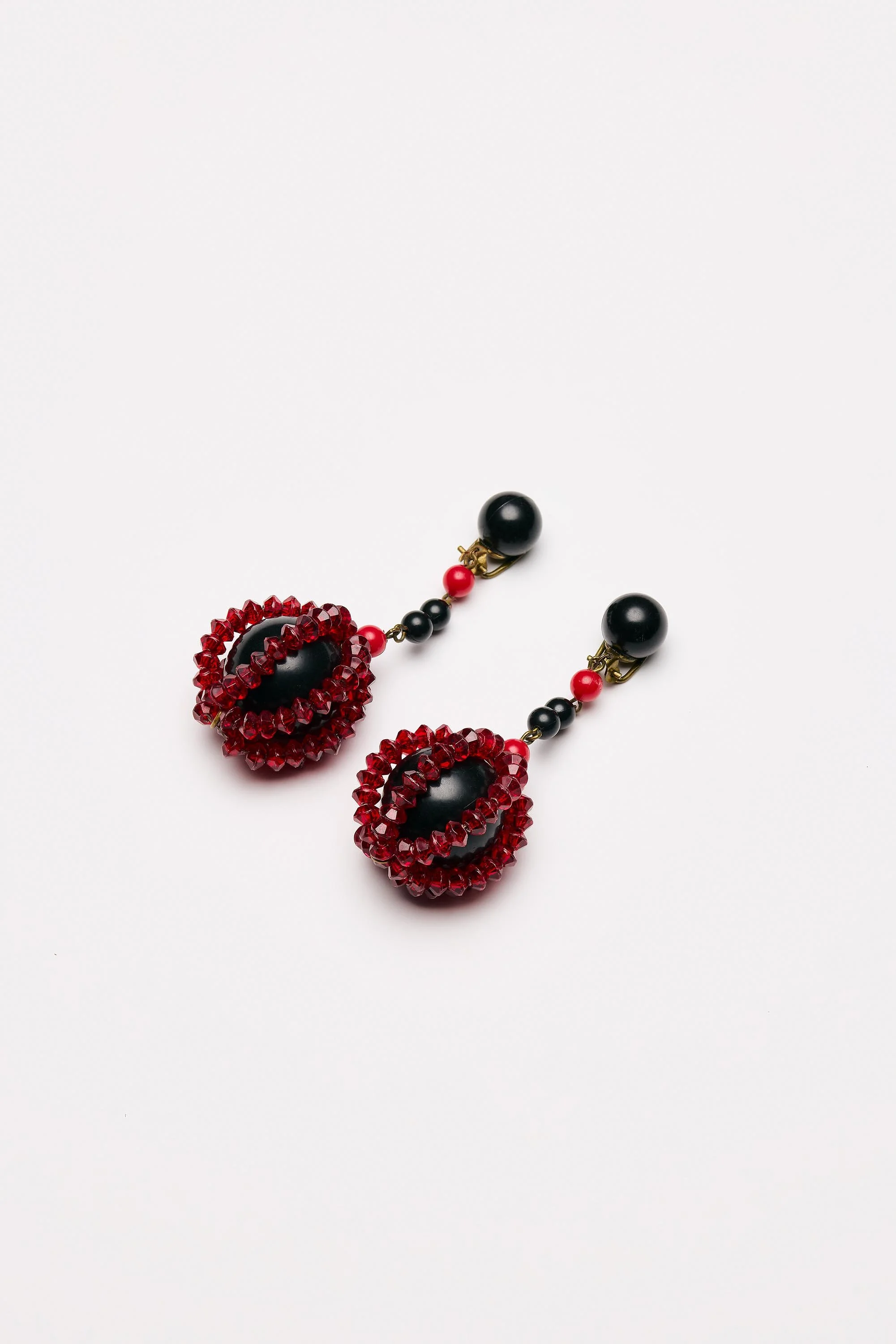
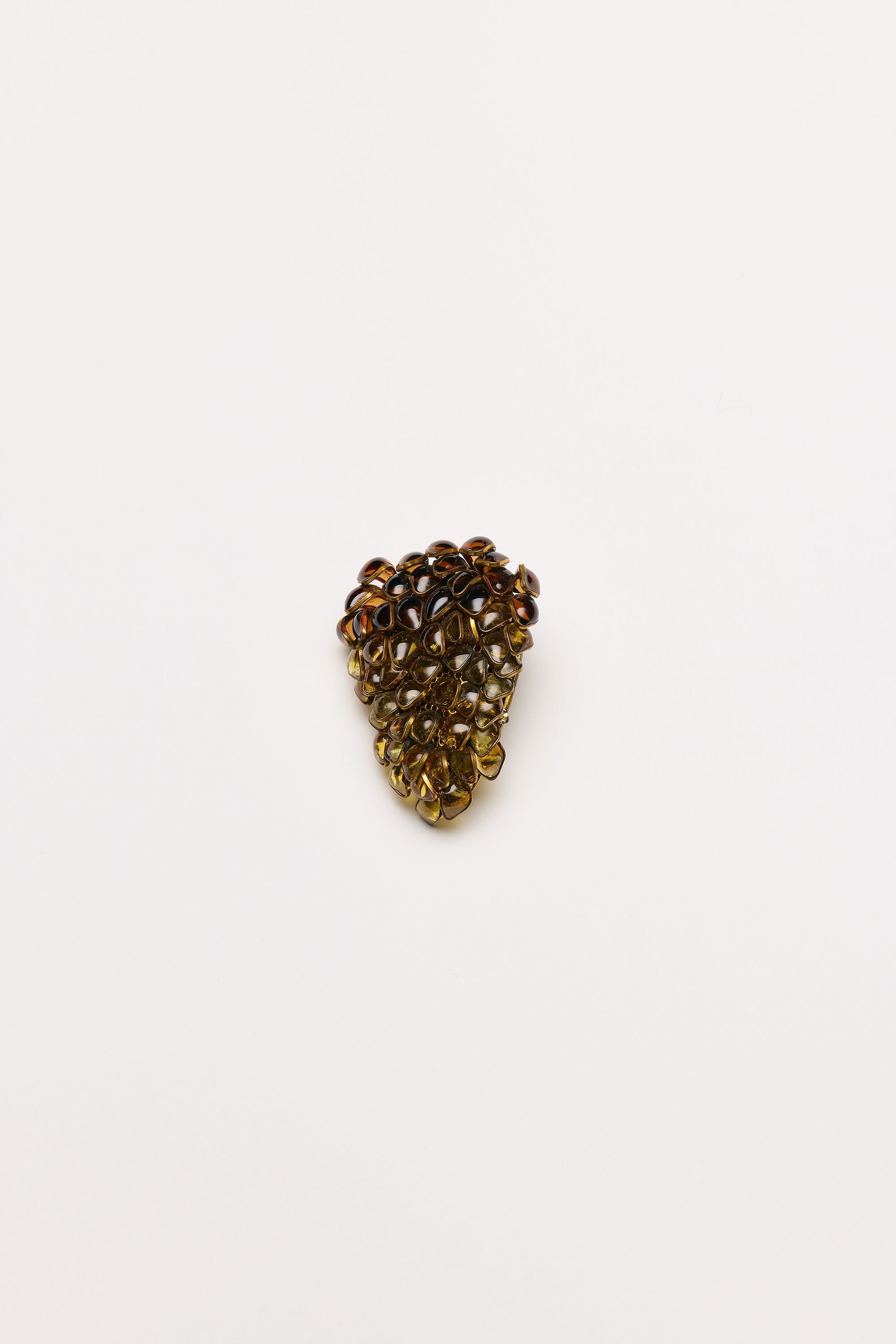
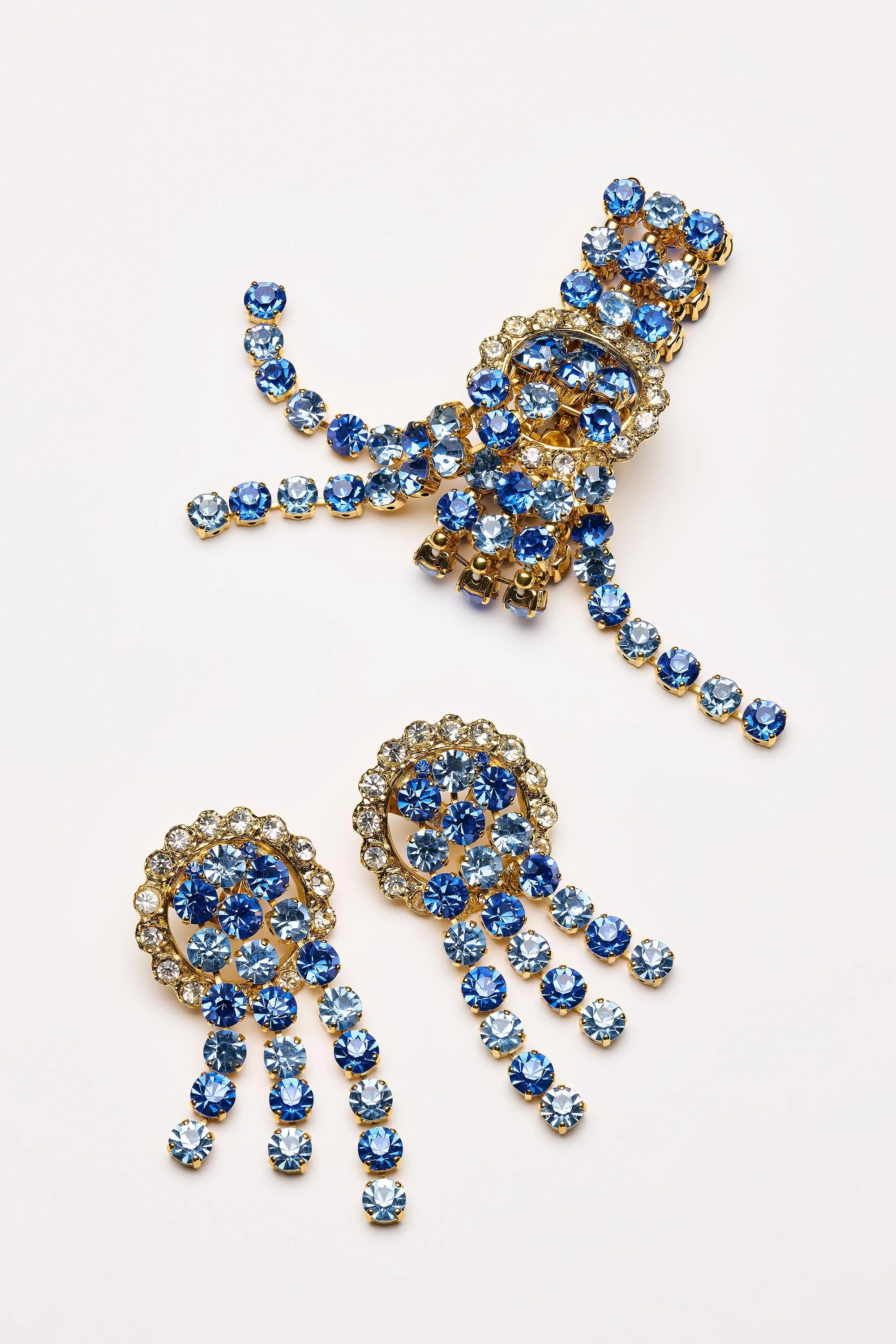
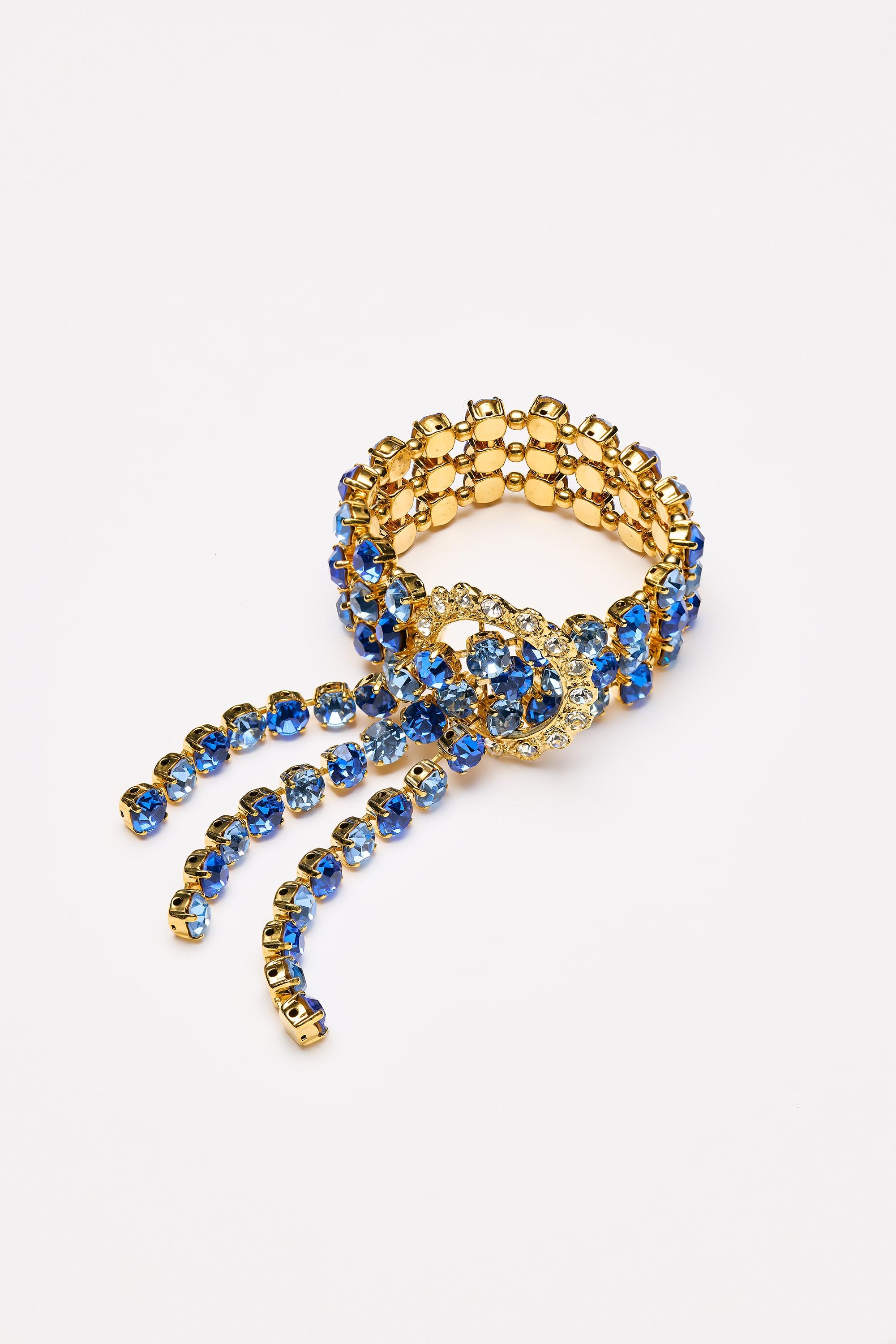
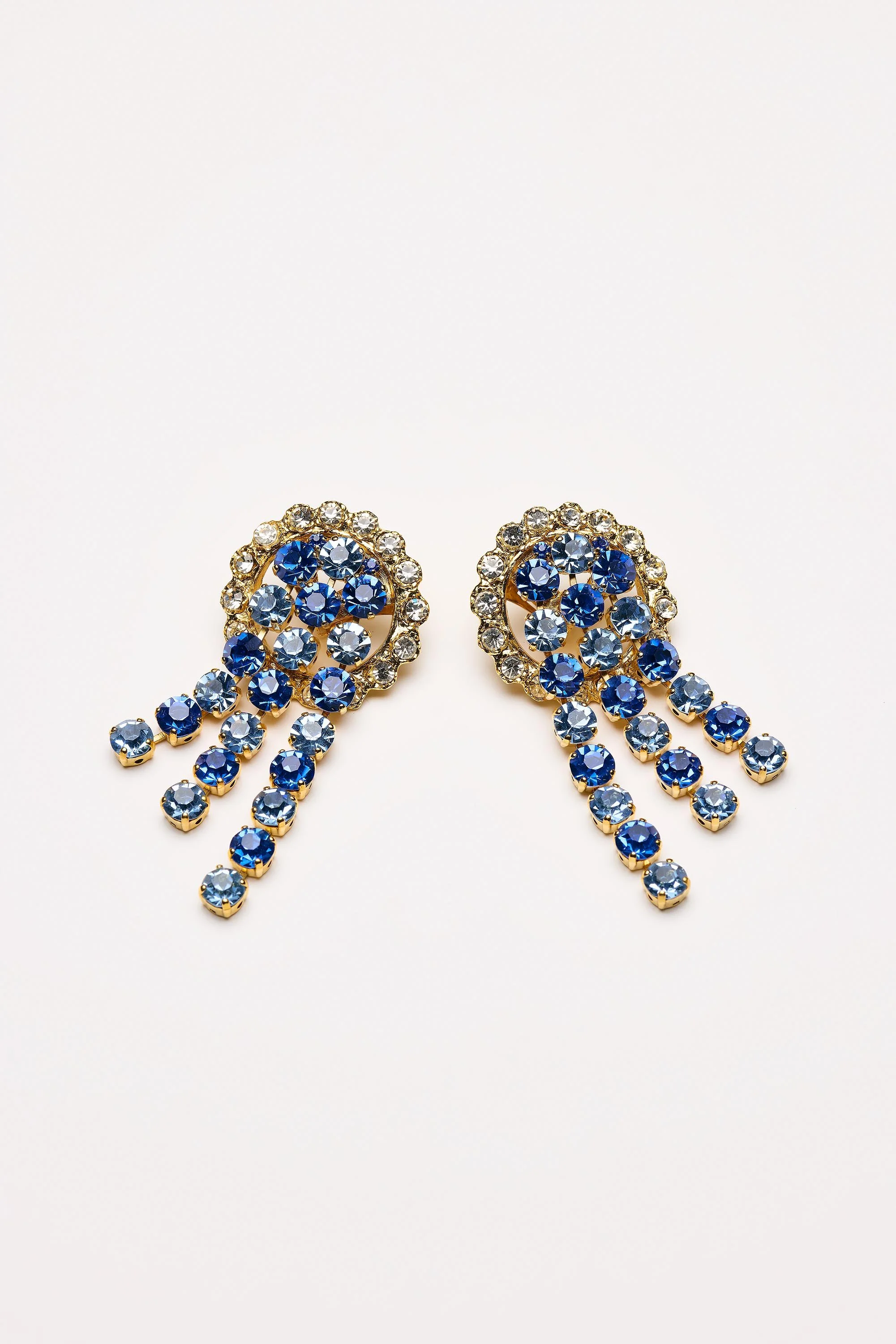
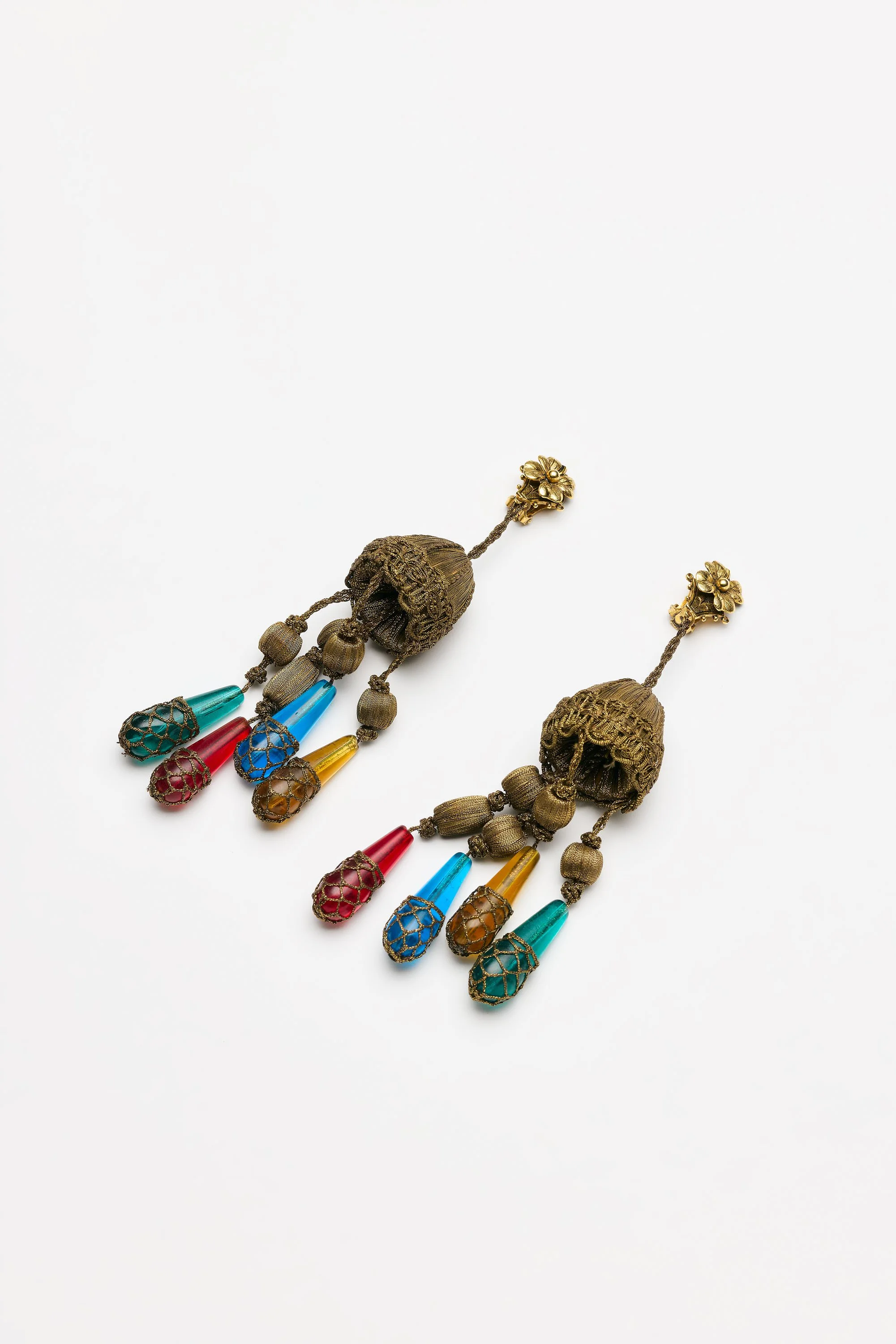
Giant clips by Hattie Carnegie for the catwalk
signed, circa 1950
Brocade and glass, handmade
Absolutely unique pair
Hattie Carnegie (March 15, 1886 – February 22, 1956) was a fashion entrepreneur based in New York City from the 1920s to the 1950s. She was born in Vienna, Austria-Hungary, as Henrietta Kanengeiser. By her early 20s, she had taken the surname Carnegie as an homage to Andrew Carnegie, the richest person in the United States at the time
Carnegie’s elegant couture collection and secondary ready-to-wear lines were revolutionary in the sense that they introduced ready-to-wear to the high-end market. She pioneered the ‘head-to-hem’ boutique concept that paved the way for the future success of Ralph Lauren in America. In particular, Hattie Carnegie collection which included fashion jewellery, lingerie, hats and perfume in the range. Stylishly understated, yet elegant and luxurious – as she also corresponded to the American taste in fashion until the late 1920s. The made-to-order department was headed by Pauline Fairfax Potter for about a decade.
In 1925 Hattie Carnegie signed a contract with Isaac Magnin, who allowed her to open stores in Macy’s. Hattie Carnegie designs came to Hollywood attention and appeared later in their productions. Famous designers such as Norman Norell, Pauline Trigere, James Galanos, Ward Bennett and Jean Louis learned the craft from her. Her clients included, among others, Joan Crawford, the Duchess of Windsor and Baroness de Rothschild.
Traditionally, Carnegie attracted different designers to work, and her jewelry reflects different styles. Flowers, fruits and leaves- or baroque roman fountains - are constantly repeating motifs, but the eastern influence is noticeable in brooches in the form of stylized animals. Her favorite materials in very unusual combinations were enamel, artificial pearls, rock crystal and glass beads.
About Vintage Costume Jewelry:
Costume jewelry– also known as Fashion Jewelry– was especially made popular in the mid-20th century. While their materials were less precious than real gold and diamonds, using glass stones, semi-precicious stones and lead and brass, many big fashion houses and designers produced highly complex pieces of jewelry that stand for craftmanship that today can only be found in so-called Haute Joaillerie. Most famously, Coco Chanel popularized the use of “faux jewelry”, bringing costume jewelry to life with gold and faux pearls. Chanel's designs drew from various historical styles, including Byzantine and Renaissance influences, often featuring crosses and intricate metalwork. Her collaboration with glassmakers, such as the Gripoix family (Maison Gripoix), introduced richly colored glass beads and simulated gemstones, which added depth to her creations without the high cost of traditional precious stones.
Elsa Schiaparelli– Chanel’s lifelong rival– brought surrealist influences into costume jewelry design, famously collaborating with Salvador Dalí and Jean Cocteau. She created the House of Schiaparelli in Paris in 1927, celebrating Surrealism and eccentric fashions. Her collections were famous for unconventional and artistic themes like the human body, insects, or trompe-l'œil, and for the use of bright colors like her "shocking pink". While Schiaparelli had to close her avant-garde business in the late 1950s and was forgotten for decades, her designs have recently been rediscovered and are celebrated for their bold design.
In many instances, high-end custome jewelry has achieved a "collectible" status and increased value over time. Today, there is a substantial secondary market for vintage fashion jewelry. The main collecting market is for 'signed pieces', which have the maker's mark, usually stamped on the reverse. Amongst the most sought after are Miriam Haskell, Sherman, Coro, Butler and Wilson, Crown Trifari, and Sphinx.
The term signed however is an invention that only reached European production in the late 1950s- when American buyers started to ask for authentification to distinguish high class designers from mass-produced pieces, while in Europe all costume jewelry had been issued by the fashion houses themselves and hence remained somewhat exclusive from the start.
Giant clips by Hattie Carnegie for the catwalk
signed, circa 1950
Brocade and glass, handmade
Absolutely unique pair
Hattie Carnegie (March 15, 1886 – February 22, 1956) was a fashion entrepreneur based in New York City from the 1920s to the 1950s. She was born in Vienna, Austria-Hungary, as Henrietta Kanengeiser. By her early 20s, she had taken the surname Carnegie as an homage to Andrew Carnegie, the richest person in the United States at the time
Carnegie’s elegant couture collection and secondary ready-to-wear lines were revolutionary in the sense that they introduced ready-to-wear to the high-end market. She pioneered the ‘head-to-hem’ boutique concept that paved the way for the future success of Ralph Lauren in America. In particular, Hattie Carnegie collection which included fashion jewellery, lingerie, hats and perfume in the range. Stylishly understated, yet elegant and luxurious – as she also corresponded to the American taste in fashion until the late 1920s. The made-to-order department was headed by Pauline Fairfax Potter for about a decade.
In 1925 Hattie Carnegie signed a contract with Isaac Magnin, who allowed her to open stores in Macy’s. Hattie Carnegie designs came to Hollywood attention and appeared later in their productions. Famous designers such as Norman Norell, Pauline Trigere, James Galanos, Ward Bennett and Jean Louis learned the craft from her. Her clients included, among others, Joan Crawford, the Duchess of Windsor and Baroness de Rothschild.
Traditionally, Carnegie attracted different designers to work, and her jewelry reflects different styles. Flowers, fruits and leaves- or baroque roman fountains - are constantly repeating motifs, but the eastern influence is noticeable in brooches in the form of stylized animals. Her favorite materials in very unusual combinations were enamel, artificial pearls, rock crystal and glass beads.
About Vintage Costume Jewelry:
Costume jewelry– also known as Fashion Jewelry– was especially made popular in the mid-20th century. While their materials were less precious than real gold and diamonds, using glass stones, semi-precicious stones and lead and brass, many big fashion houses and designers produced highly complex pieces of jewelry that stand for craftmanship that today can only be found in so-called Haute Joaillerie. Most famously, Coco Chanel popularized the use of “faux jewelry”, bringing costume jewelry to life with gold and faux pearls. Chanel's designs drew from various historical styles, including Byzantine and Renaissance influences, often featuring crosses and intricate metalwork. Her collaboration with glassmakers, such as the Gripoix family (Maison Gripoix), introduced richly colored glass beads and simulated gemstones, which added depth to her creations without the high cost of traditional precious stones.
Elsa Schiaparelli– Chanel’s lifelong rival– brought surrealist influences into costume jewelry design, famously collaborating with Salvador Dalí and Jean Cocteau. She created the House of Schiaparelli in Paris in 1927, celebrating Surrealism and eccentric fashions. Her collections were famous for unconventional and artistic themes like the human body, insects, or trompe-l'œil, and for the use of bright colors like her "shocking pink". While Schiaparelli had to close her avant-garde business in the late 1950s and was forgotten for decades, her designs have recently been rediscovered and are celebrated for their bold design.
In many instances, high-end custome jewelry has achieved a "collectible" status and increased value over time. Today, there is a substantial secondary market for vintage fashion jewelry. The main collecting market is for 'signed pieces', which have the maker's mark, usually stamped on the reverse. Amongst the most sought after are Miriam Haskell, Sherman, Coro, Butler and Wilson, Crown Trifari, and Sphinx.
The term signed however is an invention that only reached European production in the late 1950s- when American buyers started to ask for authentification to distinguish high class designers from mass-produced pieces, while in Europe all costume jewelry had been issued by the fashion houses themselves and hence remained somewhat exclusive from the start.